Crucial to a good painting, the better the photo the better the portrait. However, sometimes quite it can be tricky to achieve. Here are some tips which will hopefully make your mission a little easier. If you are within the area, I can take the photographs for you at no extra charge. Please get it touch if you would like help with this.
Ah the elusive photo. The most important factor is that it is clear, in focus, with sharp detail while capturing your pets personality and aspects you love. A good photograph of the head and shoulders is excellent for a portrait, or it can be your pet lying around on its back, or smiling at you while fetching a stick. The best photo that you feel captures your pet's personality at its finest.
Use Natural Daylight
The best time to photograph your pet is in natural daylight (preferably cloudy) and avoid using the flash, as natural daylight shows the true colouring of your pet. Try to take the photo outside if you can. If not than choose a room with good natural lighting and near a window. However, don't shoot directly into the light source, have your back to the window so the light falls on your pet, not behind it.
Get Down On Their Level
Take the photos down on their level, or have a little distance and use the zoom function if you have it. Try to avoid taking photos where you are reasonably close but half above half on their level (I have a perfect example of this my bad photos) as this pose can cause foreshortening and be a bit problematic.
Use High Resolution
Set your camera to high resolution and use the zoom function for close-ups. I'm not sure if all camera's have this, but I have found if I press the button down halfway (it normally stops at a resting point) then the photo is ready to take and there won't be a delay while the camera adjusts to the light.
Treats Are Your Friend (so is help)
If you are taking the photos yourself, keep treats handy. It can really help to have someone with you to get their attention while you take the photos, especially if your pet is camera shy. If you want a photo with their ears pricked, whistling or clapping or noise of some kind can help as dogs quite often drop their ears when they look at you. Be patient, it can take some time (and a few photo shoots) to get the photo you want. While I work from one main photo, its great if I have a few photos to reference from to get a good idea of the colouring, texture and personality. You will probably find that you will get many cute photos out of your photo shoots, even if they are not all suitable for portraits.
While I cannot paint what I cannot see, there is some room for flexibility. Different aspects can be taken from different photos (for example, a tail moved, a collar removed), given that the the photos are all quite similar in angles and lighting.
Good Photos
These are good examples of great portrait photos.
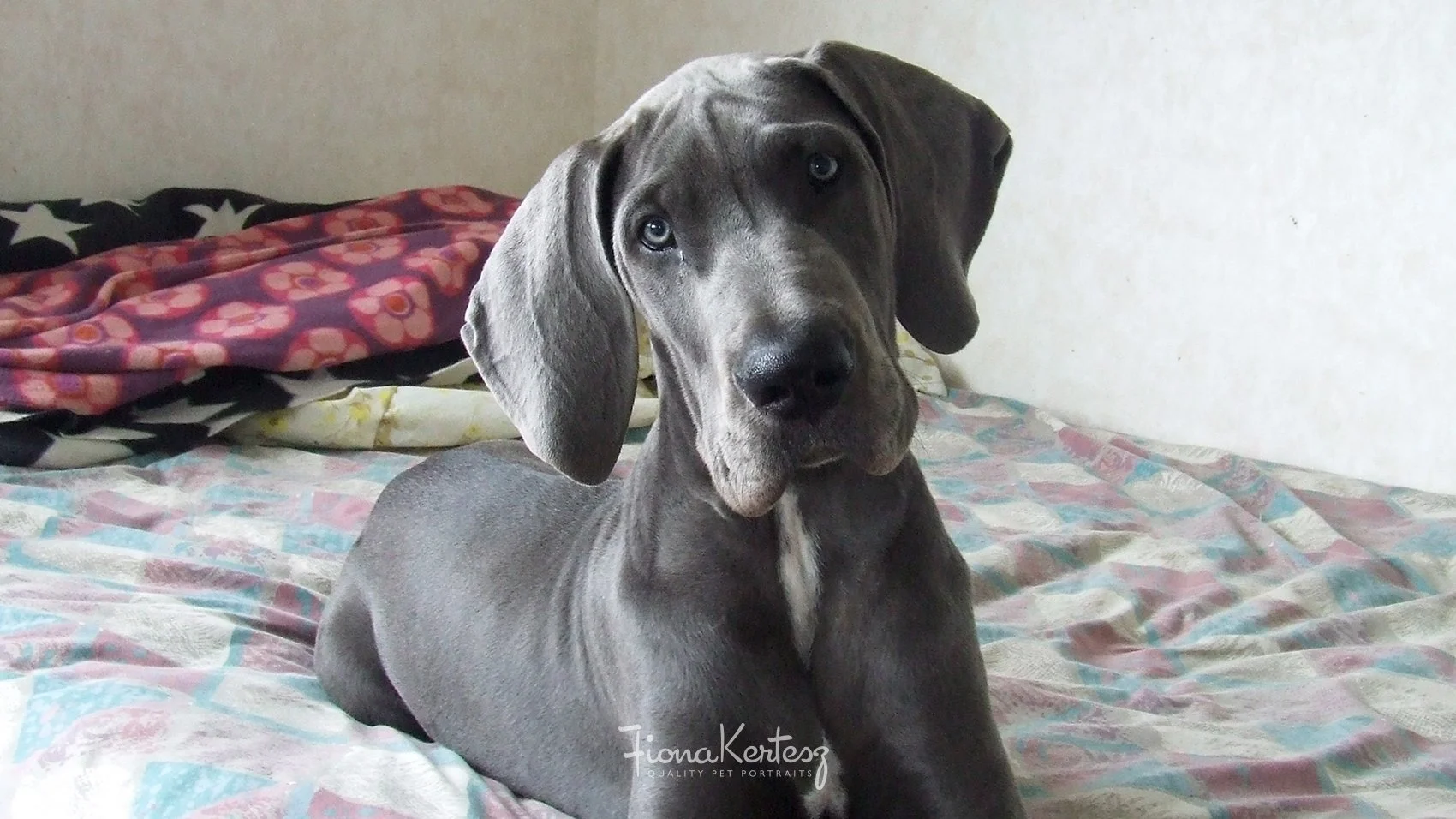
This is China, a blue Great Dane puppy. A lovely example for a pet portrait, both in oil and graphite. Clear and sharp with great detail - it’s always good if you can get on their level.
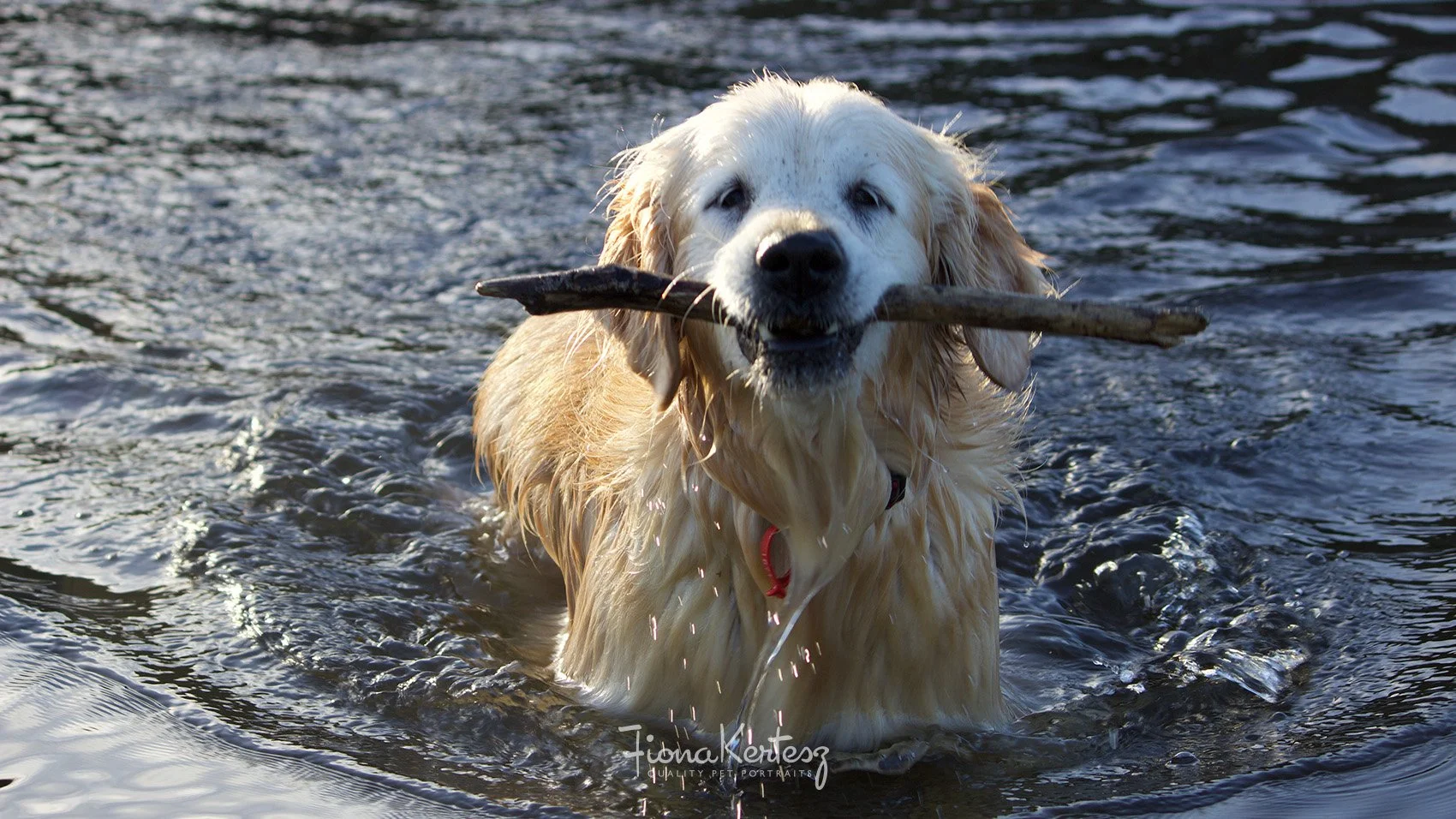
My old girl Nikki, this is a good example of a character photo. Much better suited to oil than charcoal, and I would probably need to pull out the highlights in the eyes, but it would make a great portrait.
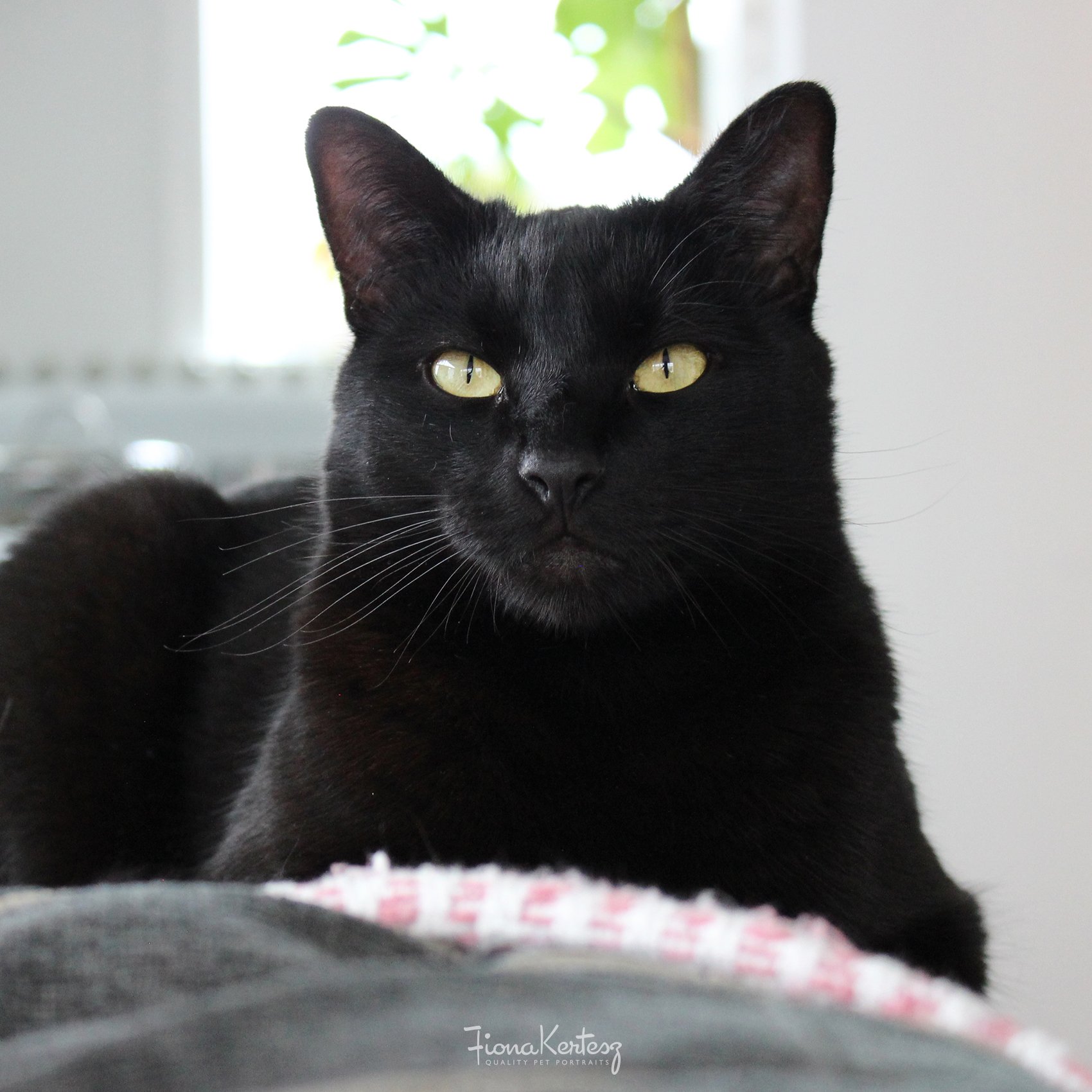
My boy Vader, and a fabulous image. Beautiful detail, perfect for oil or charcoal.
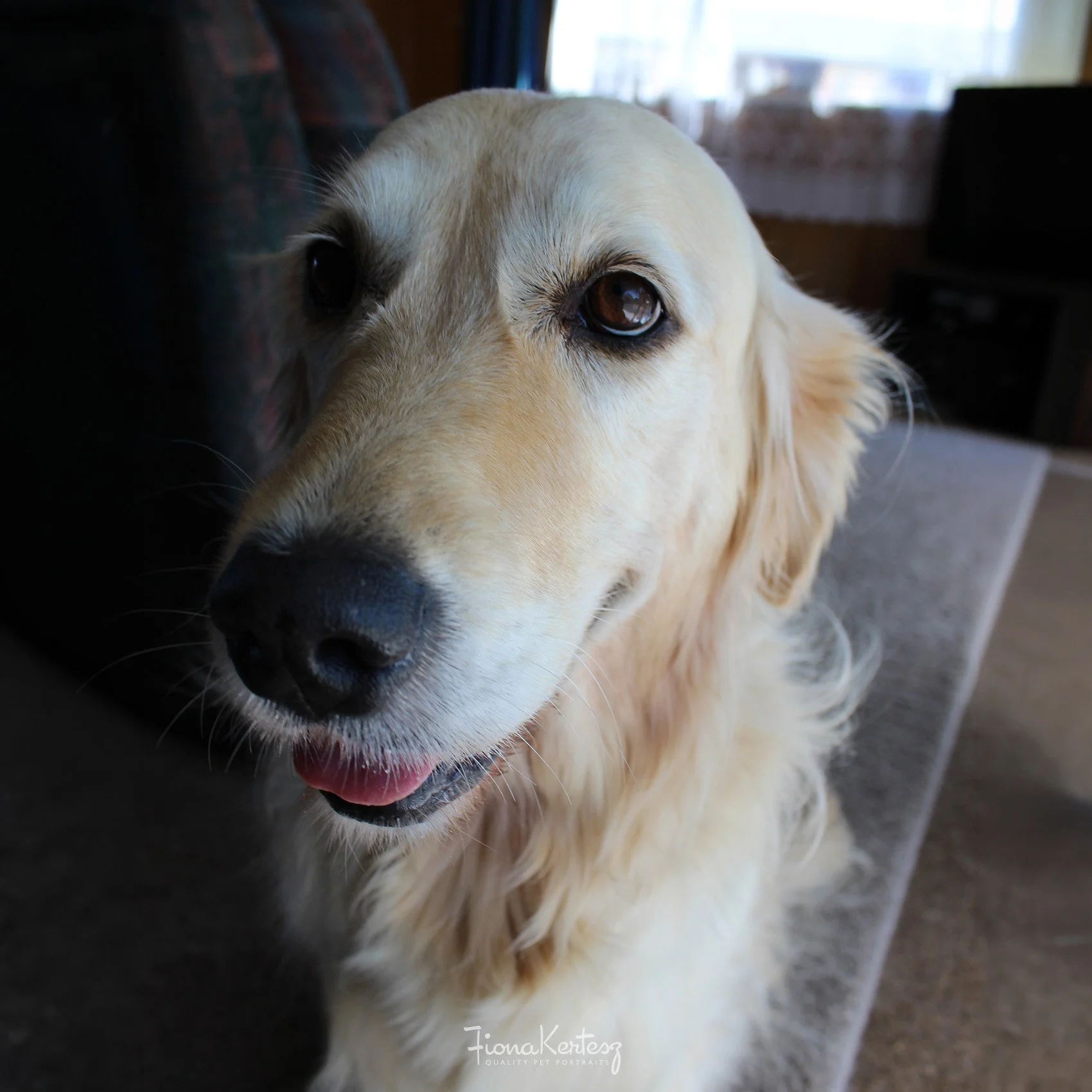
My old girl Morgan, another lovely clear photo, suitable for both.
Bad Photos
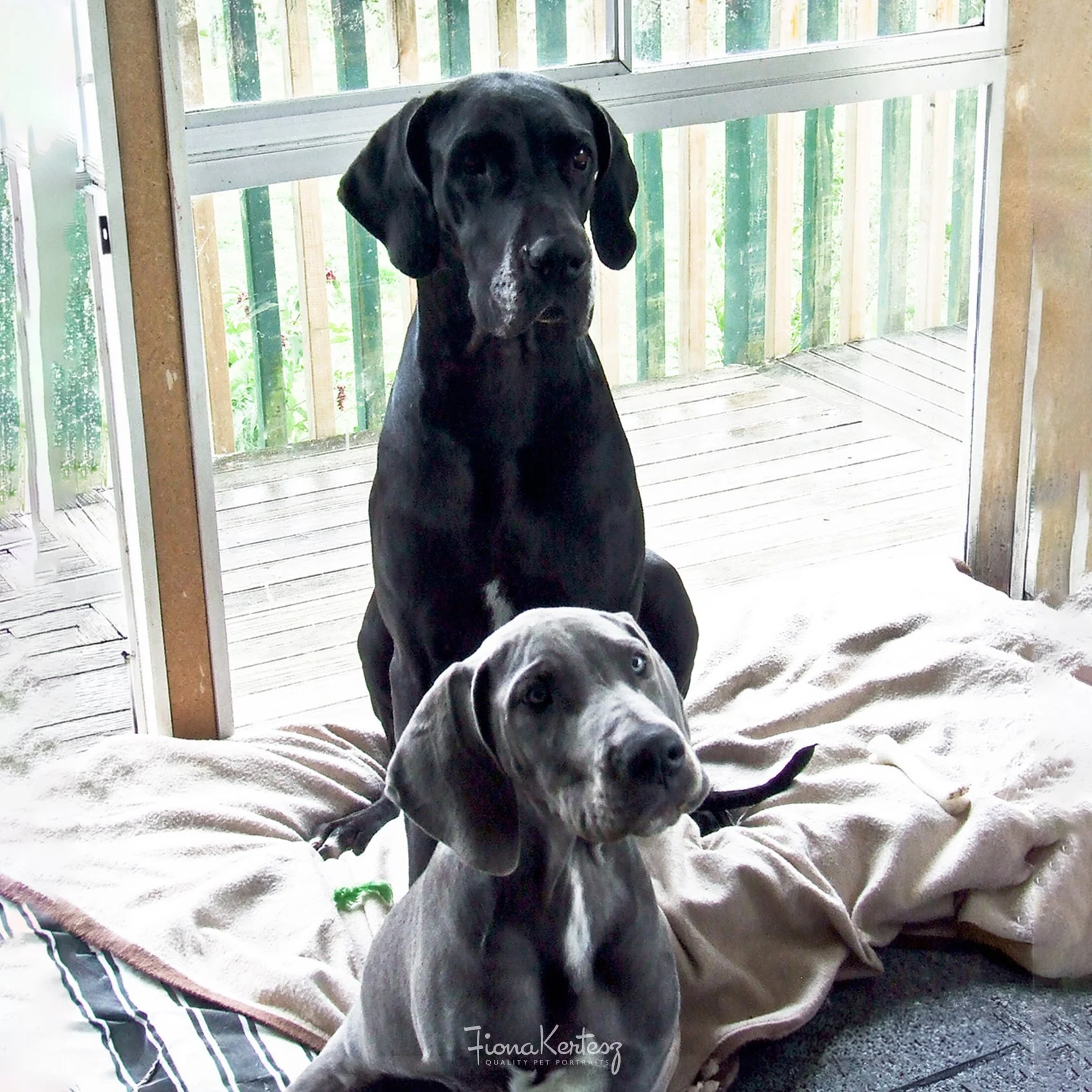
China and Velvet are too dark — a result of shooting directly into the light.
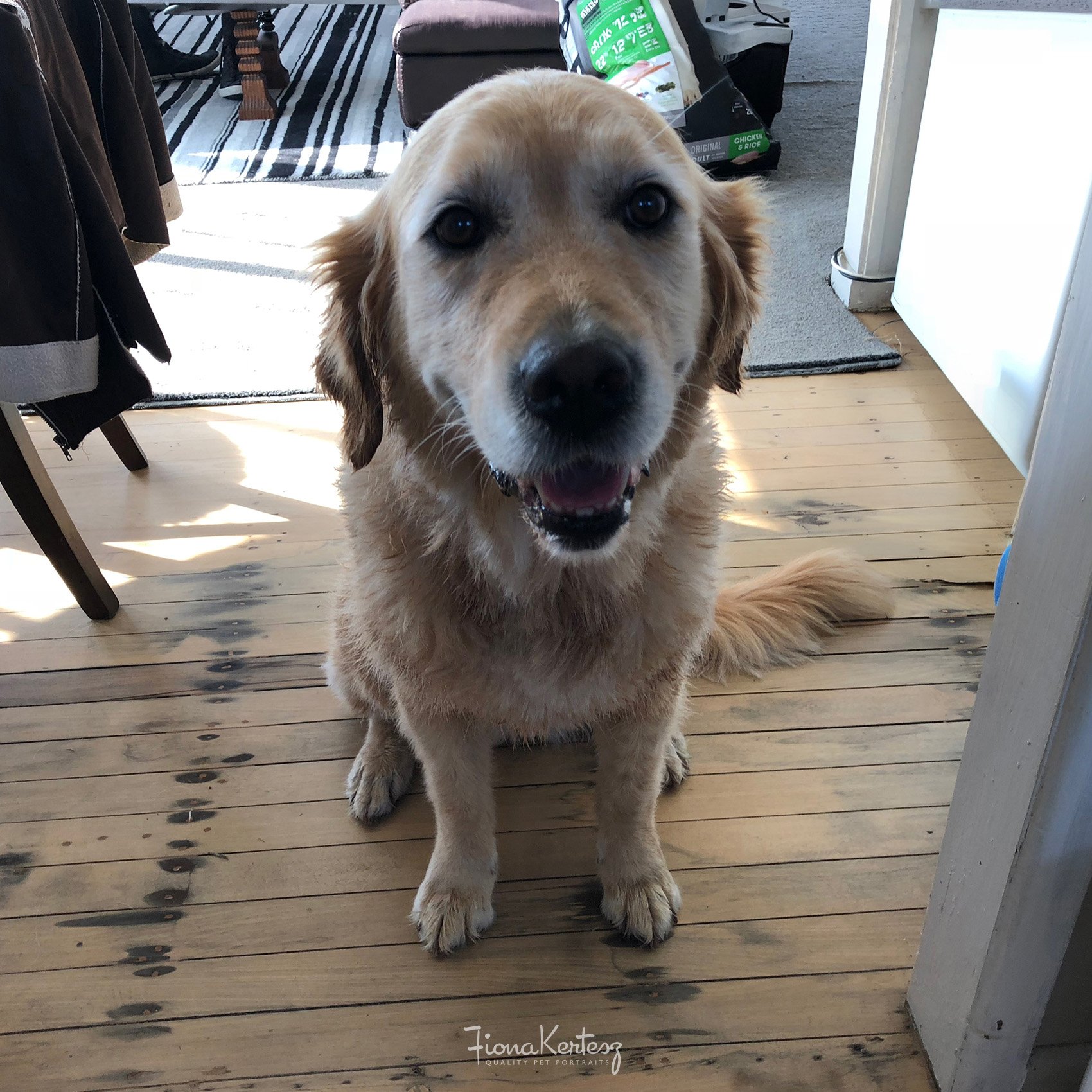
While this one of Elsa is quite clear, this particular angle, of half in front but half above can cause foreshortening and can be a bit problematic. It can work, but if you can avoid it, I would.
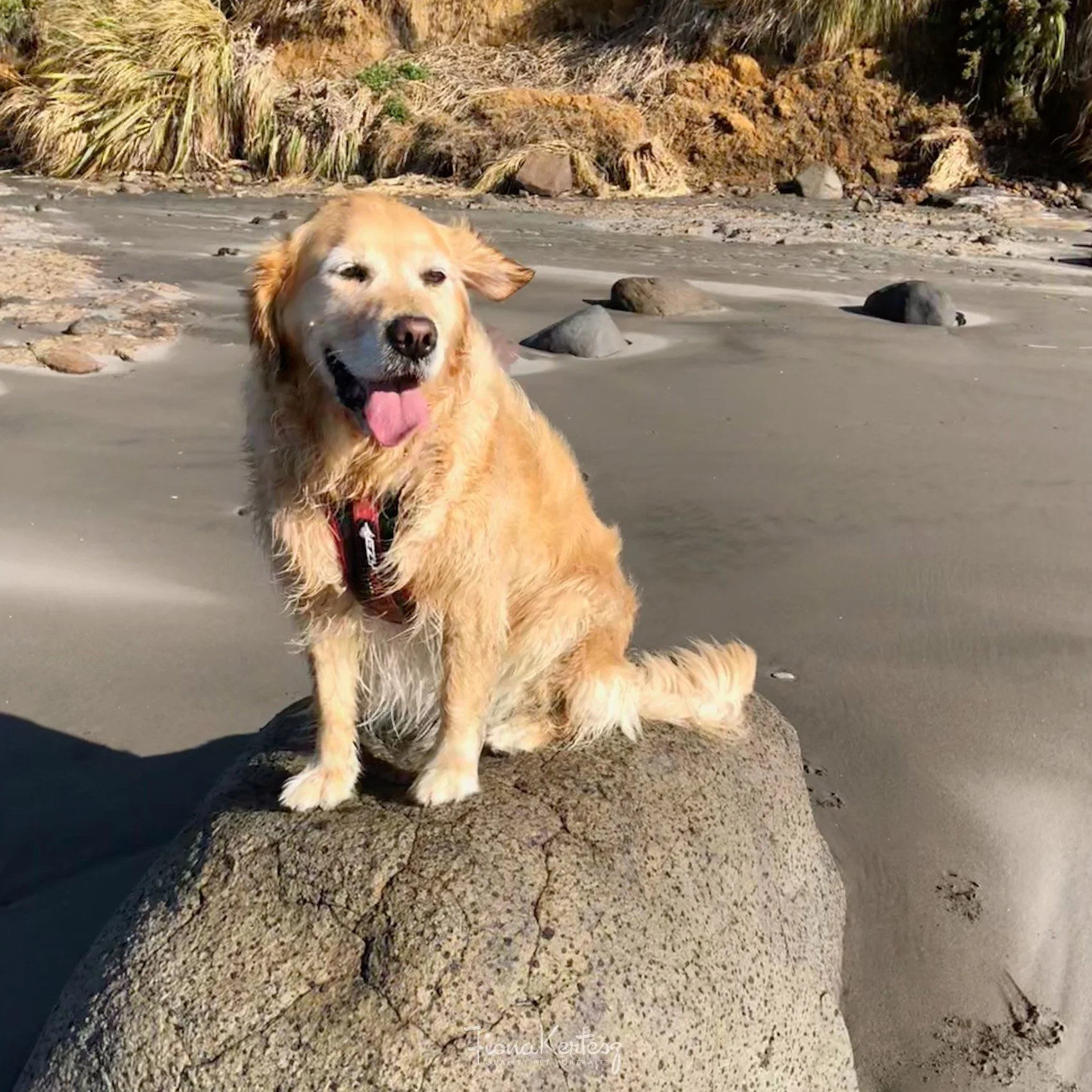
Elsa is just too far away, I can’t make out her features clearly.
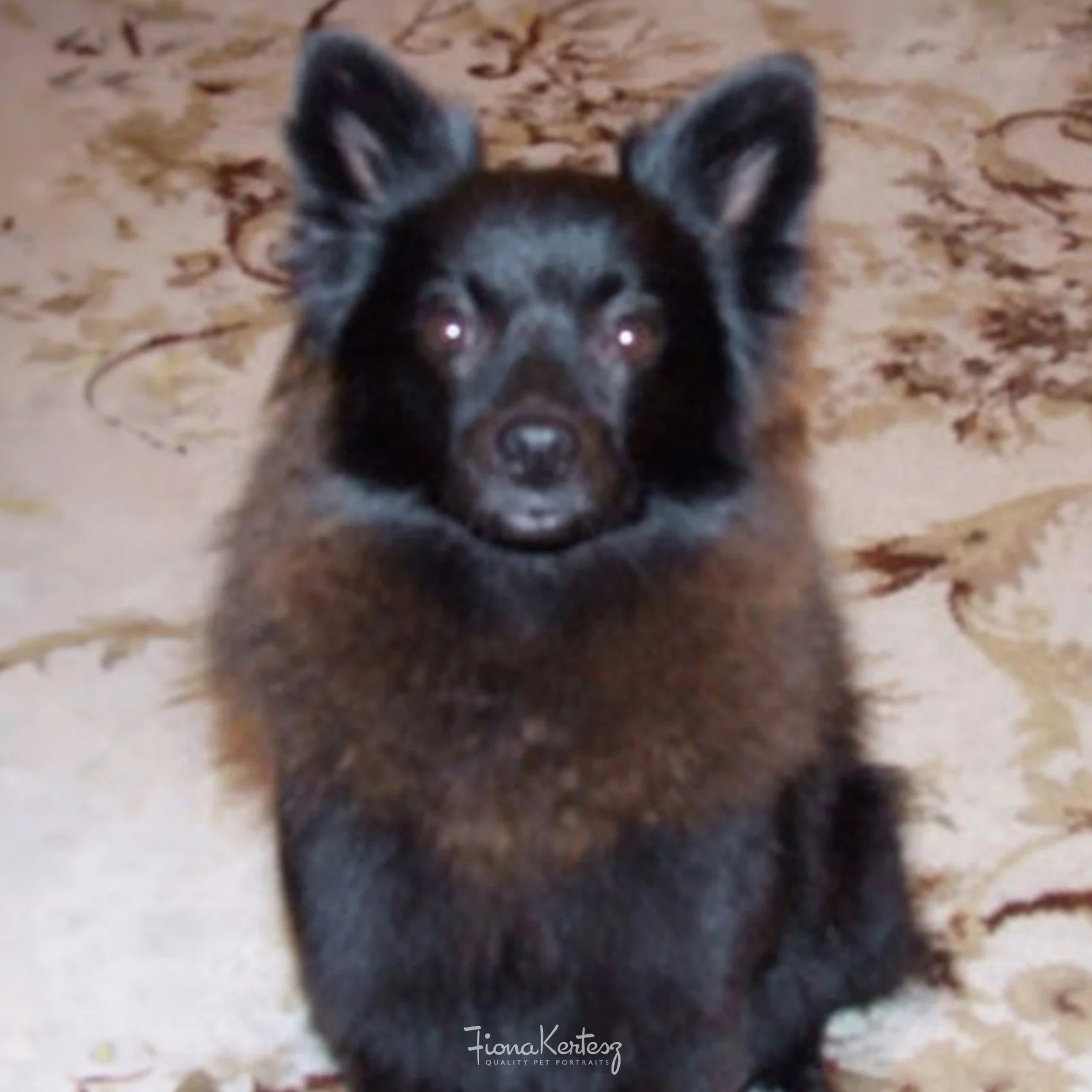
This photo of Lace is far too blurry, it would never work.
There are always some exceptions, but these are the main problems I find, and quite often photos are sent in that are just too far away. I do make several mock-ups until we find the right one, and if you have any questions at all, please ask.